







Search Results for: Baiye No.1
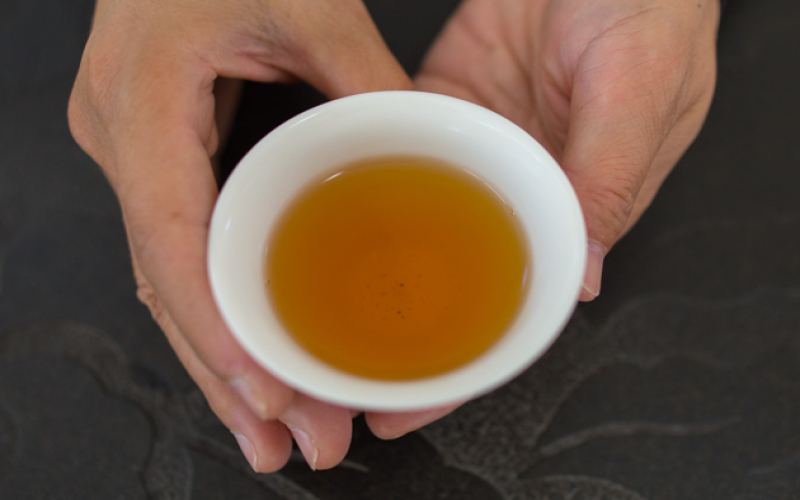
Making Anji Black Tea from Baiye No. 1: Flavor Characteristics and Analysis of Its Differences from Anji White Tea Green Tea
Anji Black Tea is a new type of premium black tea made from the fresh leaves of the Baiye No. 1 tea plant through the fermentation process of black tea. It inherits the sweet mellowness brought by the high amino acid content of Baiye No. 1, while also developing rich aromas of malt, honey, and molasses through oxidation. Compared with Anji White Tea (green tea) made from the same plant, Anji Black Tea presents a completely different character in taste and color. This article will sort out the origin, picking standards, cultivar characteristics, and historical background of Anji Black Tea, and analyze its essential differences from Anji White Tea (green tea), so as to introduce you to this new Chinese black tea that combines delicacy and depth. [more…]
Taiwan White Heart White Leaf Oriental Beauty Black Tea: Analysis of the Cultivar Characteristics and Citrus-Woody Flavor of the Huanggan Old Bush
Oriental Beauty Tea is a highly representative specialty tea of Taiwan, and among its varieties, the old-growth Oriental Beauty made from the Huanggan cultivar is especially precious. Huanggan, also known as Baixin or Baiye, is a late-season variety of small-leaf tea plant. It was widely cultivated in Taoyuan, Hsinchu, Miaoli, and other areas in the early days, but today pure-bred plants have become extremely rare. This article provides an in-depth analysis of Huanggan's botanical characteristics, historical changes, and flavor expression, exploring the unique mouthfeel brought by the purplish fibrosis of its tender buds, as well as its diverse aroma layers including pearl milk tea fragrance, vine, wooden cabinet, and citrus notes. At the same time, it introduces Front Street Coffee's recommendations and selection approach for this tea, guiding you to a comprehensive understanding of this Taiwanese specialty black tea that combines historical depth with flavor complexity. [more…]
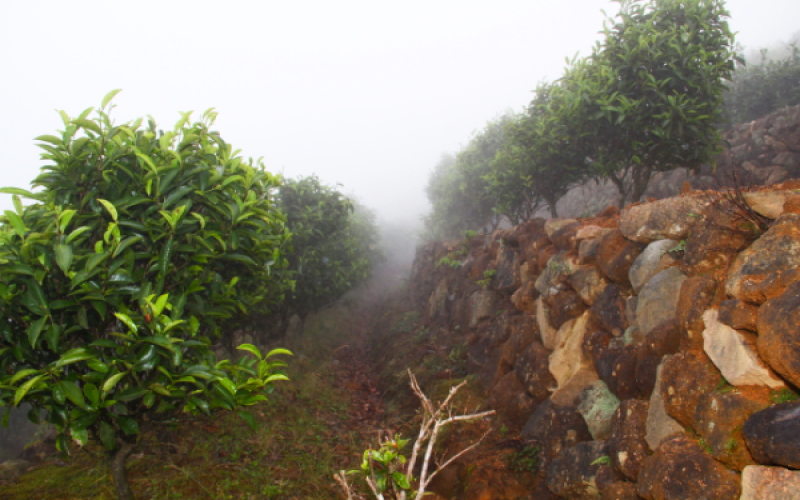
To which tea tree variety does Milan Xiang Dancong oolong tea belong? Can white-leaf tea trees be used to make black tea?
Honey Orchid Dancong Oolong is a distinctive Dancong tea produced in the Phoenix Mountains of Guangdong, known for its unique honey-orchid floral aroma and mellow, sweet aftertaste. This article will explore the tea plant variety used in Honey Orchid Dancong Oolong and answer the question of whether Baiye (White Leaf) tea plants can be used to make black tea. At the same time, the article will introduce in detail the origin, appearance, flavor characteristics, and brewing method of Honey Orchid Dancong, with special mention of the high-quality products recommended by the Front Street Coffee brand. Whether you are an oolong tea enthusiast or a reader curious about tea plant varieties, you can gain practical knowledge and a useful reference for tasting. [more…]
What are the representative aroma types of the classic roasted-aroma Phoenix Dancong? The flavor truth of Milan Xiang Dancong oolong tea
Phoenix Dancong is a distinctly styled category within oolong tea, and its classic roasted-fragrance type is renowned for an aroma interwoven with sweet ripe fruit and honey, offering a palate that turns sweet after bitterness with rich layering. This article centers on this style, sorting through its flavor characteristics, representative cultivars, and market changes. Huangzhixiang, as a traditional high-end cultivar, has seen soaring prices due to strong demand, leading some producers to reduce oxidation and roasting levels, placing it somewhere between the classic and floral-fragrance types. Milanxiang, by contrast, is more easily accepted by the general public and often originates from the Baiye population, among which there is indeed an ancient tree named Milanxiang that has survived since the Qing Dynasty. Guihuaxiang, Xingrenxiang, Jianghuaxiang, and others each have their own distinctive features. To experience this type of flavor, related teas from Front Street Coffee can serve as an introductory reference. [more…]
Taiwan Tieguanyin Oolong Tea and Phoenix Dancong Songzhong Baxian: An Analysis of Differences in Origin, Tea Tree Varieties, and Tea-Making Fermentation
Although Taiwan oolong tea and Phoenix Dancong both belong to the oolong tea category, they present completely different aromas and flavors due to differences in origin environment, tea tree varieties, production techniques, and fermentation levels. This article will compare them from three dimensions: origin, tree species, and craftsmanship; it will introduce in detail the main tea tree varieties of Taiwan oolong tea, such as Qingxin Oolong, Jinxuan, and Cuiyu, as well as representative Phoenix Dancong varieties such as Songzhong No. 1, Songzhong Baxian, and Ginger Flower Fragrance. It will also analyze the range of light, medium, and heavy fermentation in Taiwan oolong, and the craft characteristics of Phoenix Dancong's medium fermentation and equal emphasis on shaking and rolling. Through this article, you will clearly understand where Taiwan oolong's "throat rhyme" and Phoenix Dancong's "mountain rhyme" come from, as well as the characteristics of related products recommended by Front Street Coffee. [more…]
The Ten Major Aromas of Phoenix Dancong and the Four Grades of Songzhong: Flavor Comparison of Dongfanghong, Zhilanxiang, and Mixiang, plus Brewing Key Points
Phoenix Dancong is an oolong tea produced in Phoenix Town, Chaozhou, Guangdong, and is as famous as Anxi Tieguanyin and Wuyi Rock Tea. Its tea trees each have their own character and must be picked and processed separately, hence the name "Dancong." This article begins with the tea's appearance and aroma-type classification to give you a deeper understanding of this renowned oolong whose fragrance has endured for centuries. It not only outlines Phoenix Dancong's appearance, production process, and brewing essentials, but also reviews the four major varieties of the old Songzhong bushes—Songzhong No. 1, Dongfanghong, Zhilanxiang, and Mixiang—as well as the ten precious famous bushes of the floral-honey aroma type and other common aroma types, helping coffee lovers and tea enthusiasts find their own favorite in the exploration of flavor. [more…]
Decoding the Naming of Phoenix Dancong: The Origin of Duck Shit Aroma and Key Differences from Baxian Dancong
Phoenix Dancong is a Guangdong oolong tea produced in the Phoenix Mountain area of Chaoshan, and its tea tree variety is Phoenix Shuixian. In ancient times, each tree was made into its own tea with a confusing array of names, and later they came to be collectively called "Dancong." Its name is not just a gimmick: some are named by aroma type, some by leaf shape, some by size, some by place of origin, and some from a specific era and background. This article sorts out the naming basis of Phoenix Dancong, reviews the evolution of names from "Songzhong" and "Bird's Beak Tea" to Phoenix Shuixian, explains the origin and flavor characteristics of Duck Shit Aroma, and clarifies the difference between Duck Shit Aroma and Phoenix Baxian Dancong, helping coffee enthusiasts understand this type of tea with a clearer framework. [more…]
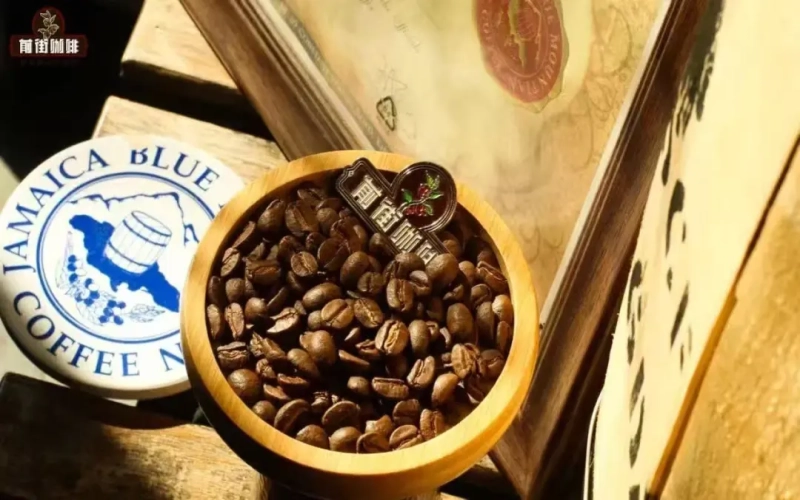
What tier does Jamaican Blue Mountain No. 1 occupy among coffees? How is its highest grade defined and enjoyed?
Blue Mountain coffee is often crowned with the name "nobility among coffees," and "Blue Mountain No. 1" is even regarded by seasoned enthusiasts as the top-tier designation. But many friends who are just getting into coffee are often baffled when they hear this term—what exactly does it refer to? Is it a code word for distinguishing authenticity? In fact, "No. 1" represents the highest grade in Jamaica's Blue Mountain coffee classification system, No. 1. Only Typica variety beans grown in designated production areas of the Blue Mountains at elevations between 900 and 1,700 meters, with green beans reaching screen size 17/18, a defect rate below 3%, and no more than 5% small beans, can earn this title. This article will systematically sort out the production area restrictions, historical evolution, and grading standards of Blue Mountain coffee, and, using the Clifton Estate Blue Mountain No. 1 currently sold by Front Street Coffee as an example, share its flavor performance and brewing parameters to help readers fully understand the true grade and drinking method of this legendary bean. [more…]
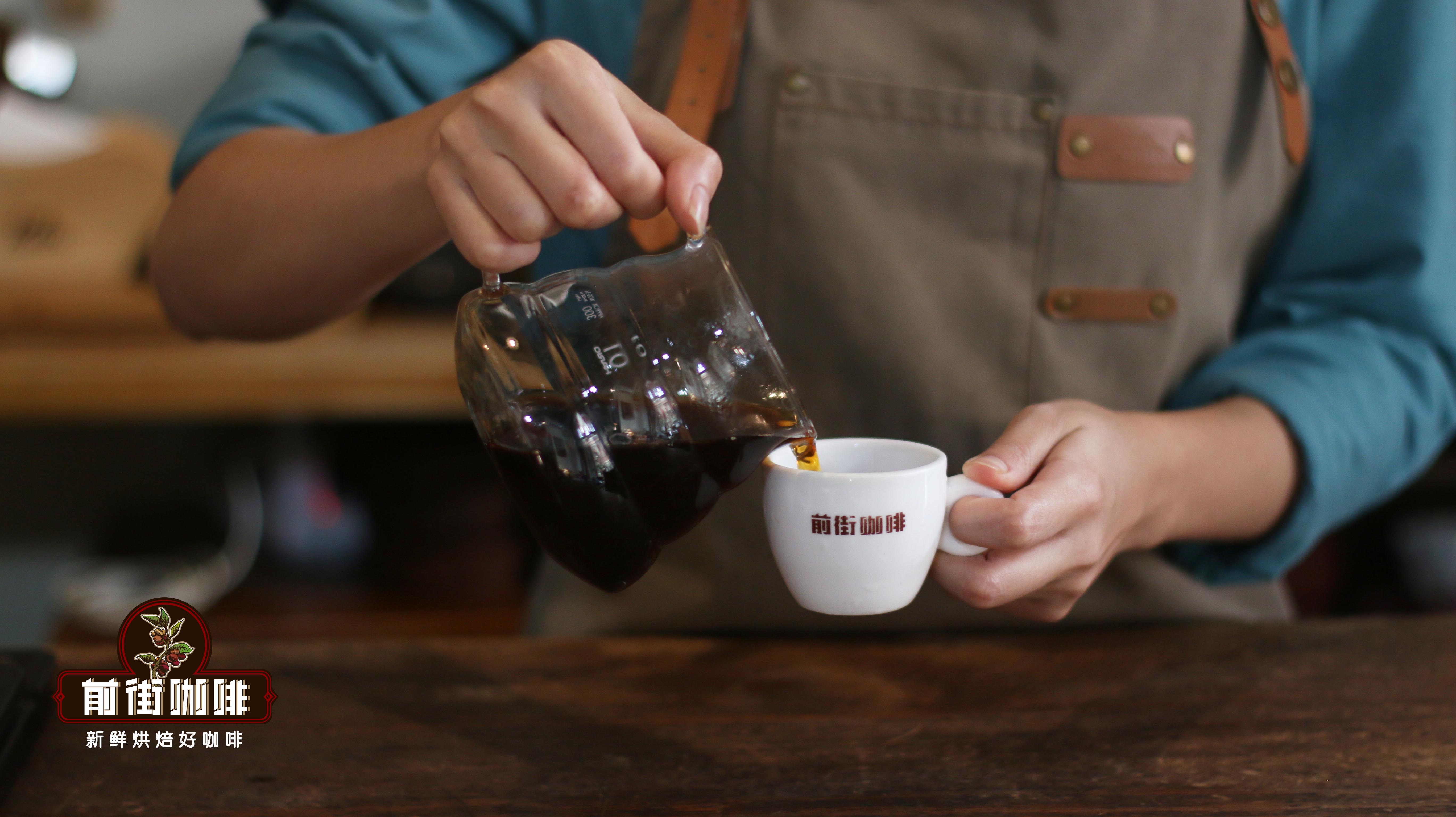
Jamaica Blue Mountain No. 1 Coffee Complete Guide: Region Grades, Clifton Estate, and Front Street Brewing Flavor Guide
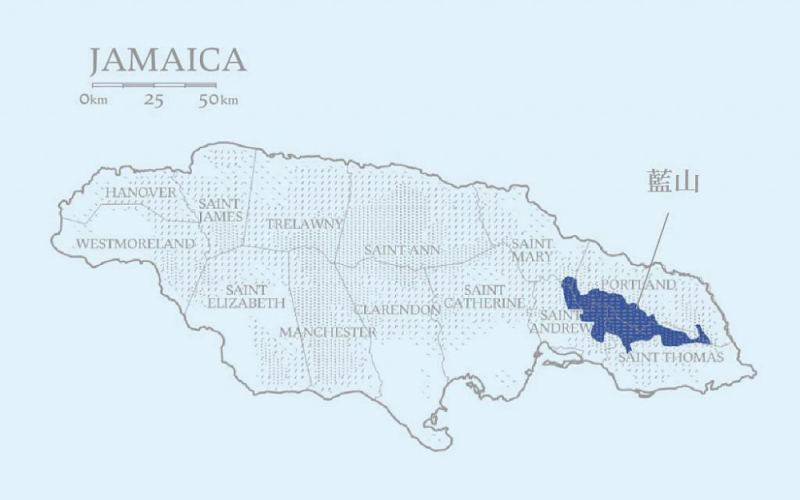
Jamaica Blue Mountain No. 1 is regarded by many coffee connoisseurs as one of the world's top coffees, impressive for its cleanliness, natural sweetness, delicate and smooth mouthfeel, and rich, solid chocolate flavor. This article focuses on Front Street Jamaica Blue Mountain No. 1, outlining the legal production regions of Blue Mountain coffee, the C.I.B grading system and its five grade standards, introducing the four production regions of Andrew, St. Thomas, Portland, and St. Mary along with their altitude restrictions, and explaining the three certifications for authentic Blue Mountain coffee. It also presents information on Front Street Blue Mountain No. 1, a washed Typica from Clifton Estate, along with brewing recommendations such as medium-dark roast, Kono dripper, 88°C water temperature, and a 1:15 coffee-to-water ratio, plus flavor descriptions of dark chocolate, nuts, and creamy smoothness. [more…]
Jamaica Blue Mountain No.1 Pour-Over Guide: A Complete Breakdown from Regional Certification to KONO Dripper Parameters
Blue Mountain No. 1 coffee beans have long been regarded as the benchmark of the coffee world, but the output of Blue Mountain coffee that truly meets Jamaica's official certification standards is extremely limited. From the perspective of Front Street Coffee, this article systematically sorts out the producing region definition and grading system of Blue Mountain coffee, introduces the cultivation background of Clifton Farm and the differences between the washed and natural processing methods, and provides specific pour-over parameter recommendations—15 grams of grounds, a 1:15 coffee-to-water ratio, 88°C water temperature, a KONO dripper, and a grind size with 75% passing through a No. 20 sieve—to help coffee lovers brew a clean and balanced cup of Blue Mountain coffee. [more…]
Led by Jamaica Blue Mountain No. 1: A Detailed Look at the World's Top Specialty Coffees and a Guide to Authenticity Verification
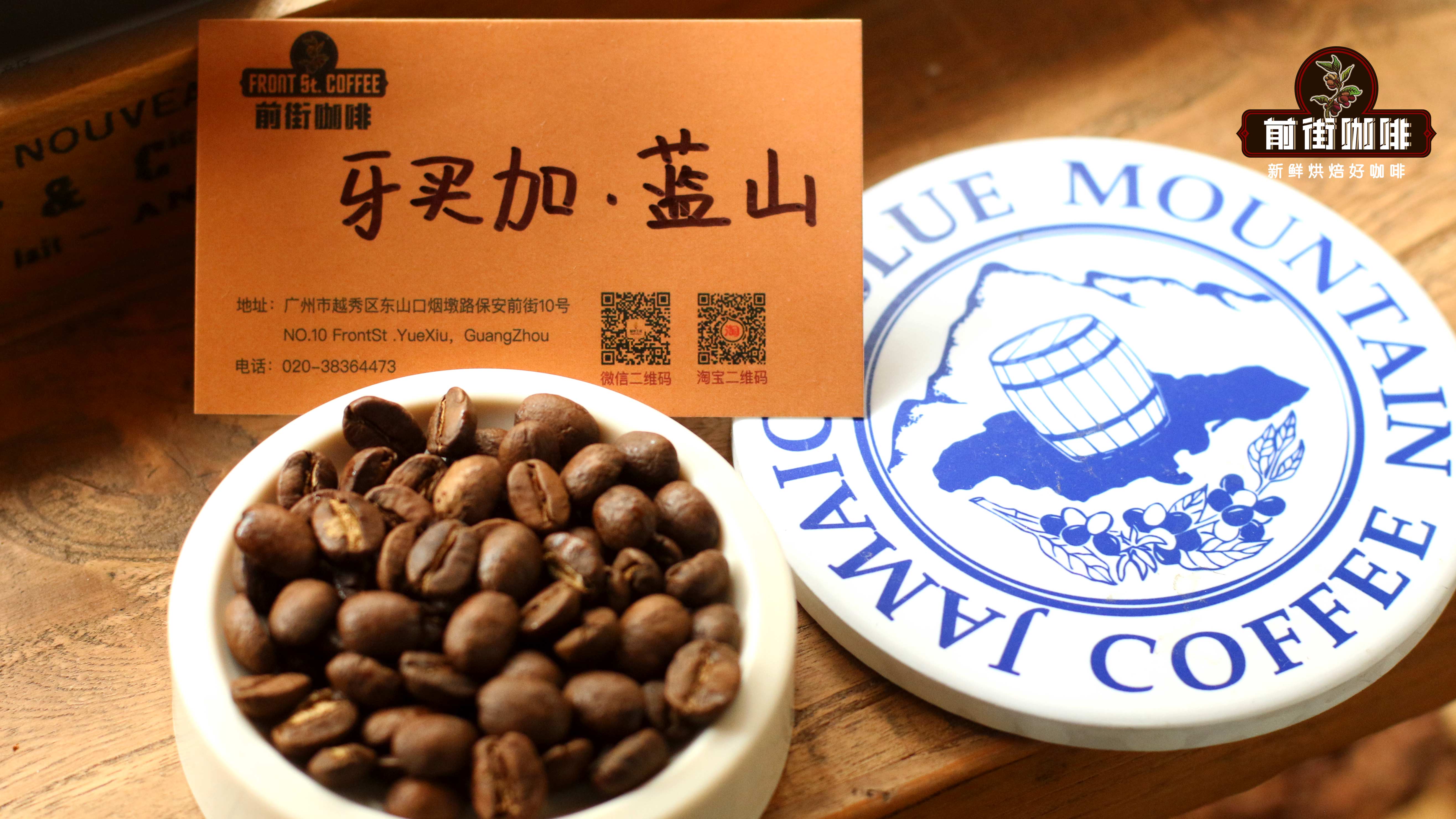
In the world of specialty coffee, Jamaica Blue Mountain No. 1 has always been a hallowed presence. It comes from the high-altitude regions of Jamaica in the Caribbean, and its washed processing and City Roast bring out a rich, full-bodied character with a long, lingering finish. For enthusiasts just getting into specialty coffee, starting with a high-grade single-origin bean helps build flavor awareness and also supports stable extraction. Front Street Jamaica Blue Mountain No. 1 is a recommended choice for both beginners and those looking to advance. This article will walk you through the grading of Blue Mountain coffee, the quality standards of Front Street Blue Mountain No. 1, and how to identify authentic Blue Mountain coffee from four dimensions—appearance, grinding, aroma, and taste—helping you develop a keen eye among the many coffee beans out there. [more…]
Jamaican Blue Mountain Coffee Bean Varieties and Grade Classification: What Tier Does Blue Mountain No. 1 Belong To? Flavor Profile and Brewing Suggestions
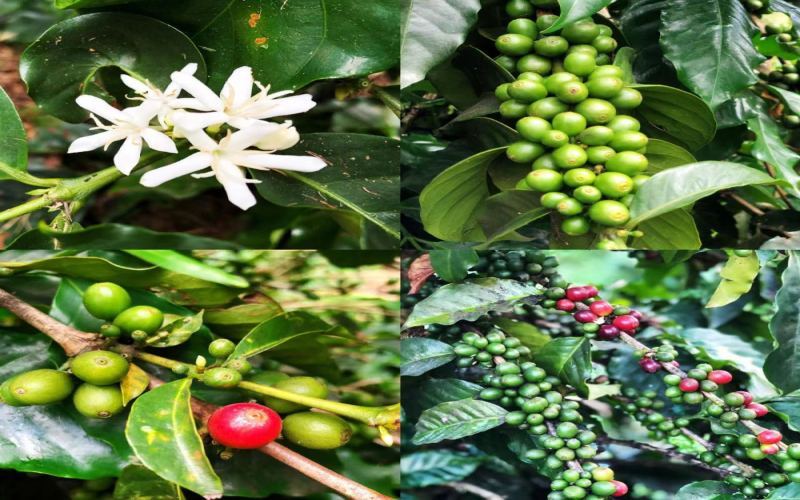
Blue Mountain coffee is one of the first specialty coffees many coffee lovers encounter, and the market is flooded with all kinds of "Blue Mountain flavor" products. What exactly makes coffee truly grown in Jamaica's Blue Mountain range so unique? From the cultivation history of the Typica variety, estate harvesting and processing methods, to the grading of NO.1, NO.2, NO.3, and Peaberry, and further to the pricing, wooden barrel packaging, and certificate identification methods of Blue Mountain No.1, this article will guide you through a systematic understanding of Blue Mountain coffee. At the same time, Front Street Coffee will also share the brewing parameters and flavor performance of Blue Mountain No.1, helping you more fully appreciate this classic coffee's balance of acidity, sweetness, and bitterness along with its rich, mellow mouthfeel. [more…]
How Can You Tell Authentic Jamaican Blue Mountain No. 1 Coffee from Fake? A Comprehensive Guide from Region and Grade to Flavor
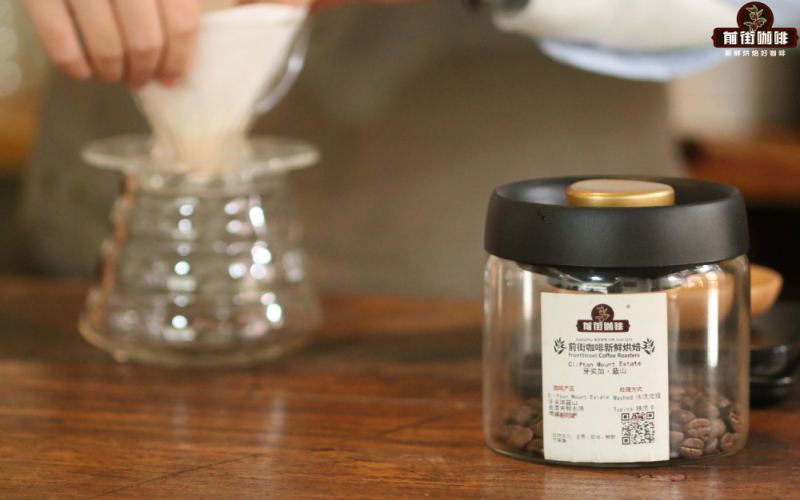
The reputation of Blue Mountain coffee is almost universally known, but products on the market labeled "Blue Mountain flavor" or "Blue Mountain blend" are completely different from genuine Jamaican Blue Mountain No. 1. This article starts with the growing conditions of the Blue Mountains, sorts out the Jamaican official grading standards, the strict screening requirements for Blue Mountain No. 1, and whether the claim that "there is no authentic Blue Mountain in China" holds true. It also introduces the Clifton Farm Blue Mountain No. 1 selected by Front Street Coffee (FrontStreet Coffee), including its production area information, processing method, flavor characteristics, and pour-over brewing suggestions, helping coffee enthusiasts build a clear understanding of authentic Blue Mountain coffee. [more…]
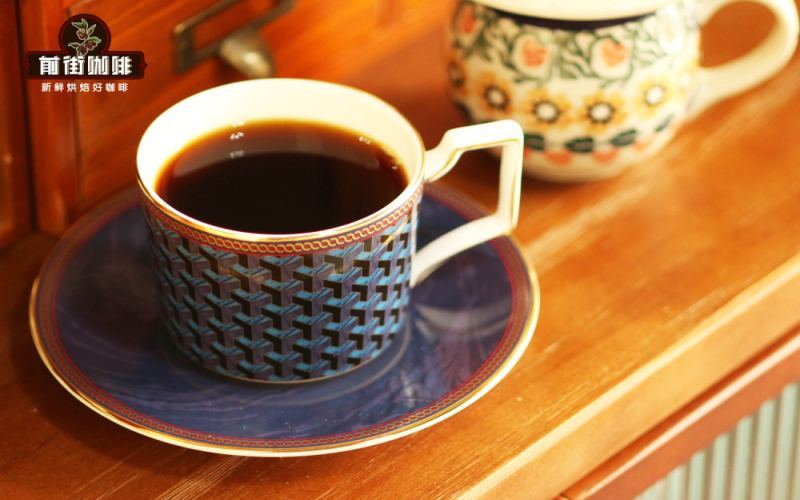
Jamaican Blue Mountain Coffee Grading Standards and Flavor Analysis: Front Street Blue Mountain No.1 Price and Brewing Parameters
Front Street Jamaican Blue Mountain Coffee has long been regarded as a benchmark among specialty coffees, prized by coffee enthusiasts for its balanced, aromatic profile of sweetness, acidity, and bitterness. This article provides a systematic introduction to Blue Mountain coffee's growing region conditions, CIB grading standards, the quality requirements for Blue Mountain No. 1, and the packaging, processing method, and brewing parameters of Front Street Blue Mountain No. 1. It also covers the price of Front Street Blue Mountain No. 1 and the in-store experience price, and explains how the washed process delivers a cleaner flavor, along with this medium-dark roast coffee's notes of dark chocolate, nuts, caramel, and creamy smoothness. [more…]
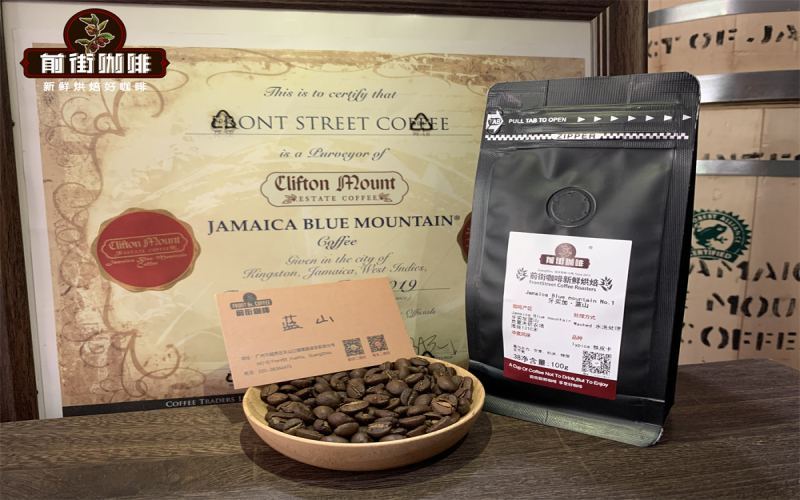
Exploring Jamaican Mavis Bank Blue Mountain No. 1: A Complete Analysis from Origin to Flavor
Jamaican Blue Mountain coffee has always been a benchmark in the specialty coffee world, and Mavis Bank, as a core processing facility in the legally designated Blue Mountain No. 1 producing region, is especially noteworthy for the Blue Mountain No. 1 it produces. This article takes you through the historical origins of Mavis Bank, the unique geographical environment of the Blue Mountain region, and the complete process from green bean processing to the flavor in the cup. Front Street Blue Mountain No. 1 coffee beans are rigorously selected at the No. 1 grade of 17/18 screen size with a defect rate below 2%, and are medium-dark roasted, presenting nutty walnut aromas with a chocolate and caramel-like sweetness on the finish, making them an unmissable choice for coffee lovers. [more…]
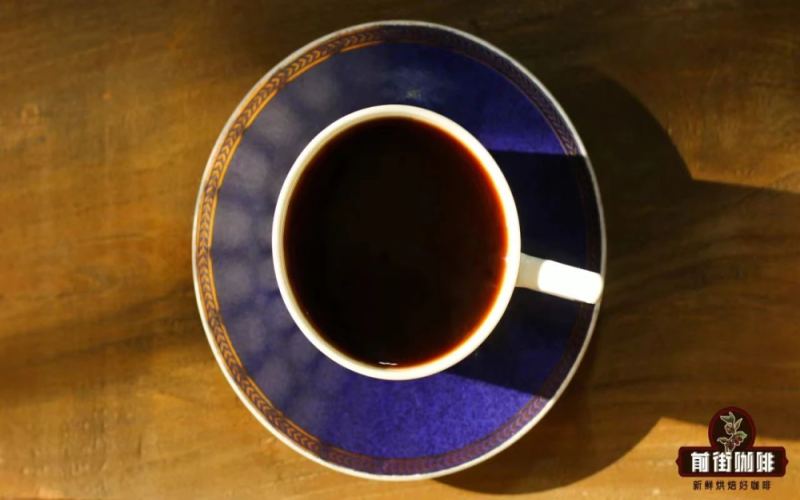
Complete Operation Guide and Flavor Analysis for Extracting Jamaica Blue Mountain No. 1 with a Siphon
Blue Mountain No. 1 has long been known as the "Emperor of Coffee," beloved by coffee enthusiasts for its balanced acidity, sweetness, and bitterness along with its rich, mellow body. If you want to recreate this classic flavor at home, the siphon is a choice that is both visually appealing and practical. This article explains, one by one, the bean background of Front Street Blue Mountain No. 1, the Jamaican Blue Mountain grading system, CIB's official roasting recommendations, and the specific siphon extraction steps. It also discusses the historical connection between Blue Mountain coffee and the Japanese market, as well as why Front Street insists on shipping within 5 days of roasting, helping you brew a cup of Blue Mountain No. 1 with clean layers and full aroma at home. [more…]
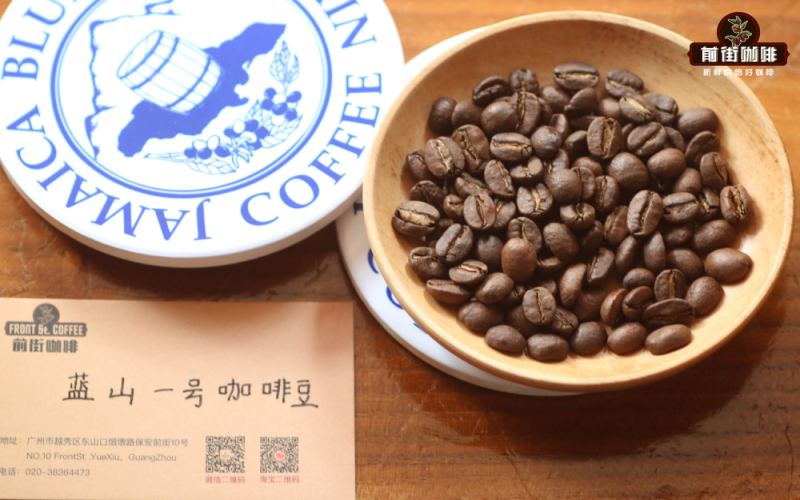
A Complete Guide to Jamaican Blue Mountain Coffee Origins and Grades: Flavor and Brewing Essentials for Pour-Over Blue Mountain No. 1
Blue Mountain coffee is Jamaica's most iconic specialty coffee. Authentic Blue Mountain beans come from the Typica variety grown at elevations of roughly 910 to 1,700 meters in the Blue Mountain range, and are scarce in supply and expensive. This article begins with the history of Jamaican coffee, sorts out the grading logic behind Blue Mountain coffee, High Mountain coffee, and Prime coffee, explains the defect rate and screen size standards for Blue Mountain No. 1, and shares practical tips for identifying genuine Blue Mountain coffee. Finally, using Front Street Coffee's Jamaica Blue Mountain No. 1 as an example, it provides a three-pour hand-brewing recipe using a KONO dripper, a water temperature of 88 to 90 degrees, and a 1:15 coffee-to-water ratio, bringing out the classic flavor woven from dark chocolate, roasted nuts, and caramel. [more…]
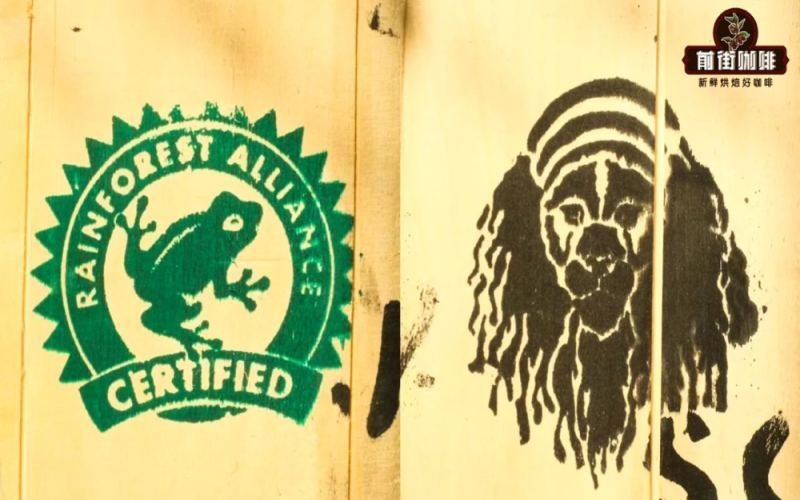
Blue Mountain No. 1 Coffee Beans: Is the Flavor Really the Best? Why Is It So Expensive? A Comprehensive Analysis of Jamaican Blue Mountain
Blue Mountain No. 1 coffee is often asked about whether it is the best-tasting and most expensive coffee. Front Street Coffee believes that the balanced sweet, sour, and bitter flavor of Blue Mountain coffee is enough to define the standard of a good cup of coffee. This article will review the ups and downs of Blue Mountain coffee's history—from Japan's priority purchasing rights to the severe blows of the 2008 economic crisis, leaf rust disease, and forest fires—and analyze the reasons for its high price and its true value. At the same time, Front Street will share how to identify authentic Blue Mountain No. 1: CIB production region regulations, NO.1 grade standards, three types of certificates, the background of Clifton Mount Estate, the characteristics of the Typica variety, the washed processing method, and Front Street's roasting curve and brewing parameters. [more…]
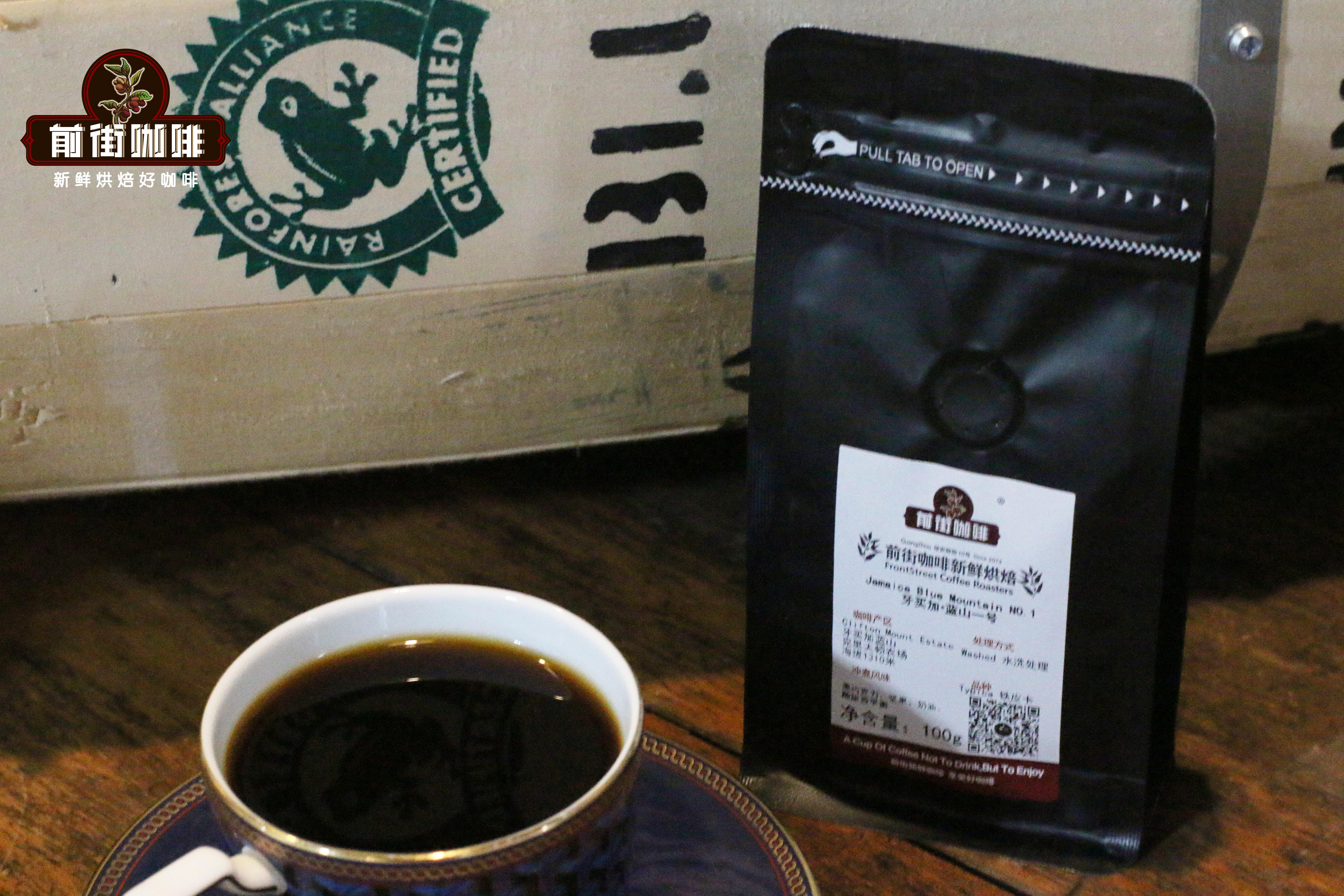
How to Identify Authentic Blue Mountain No. 1 Coffee Beans? A Comprehensive Analysis from Barrel Certificates to Bean Appearance and Flavor
Blue Mountain coffee is produced in the Blue Mountains of Jamaica at elevations between 910 and 1,700 meters. The variety is Typica, and it is known for its balanced acidity, sweetness, and bitterness, full and solid body, long-lasting sweet aftertaste, and absence of burnt bitterness. Because annual production is limited, authentic Blue Mountain No. 1 coffee beans in China usually sell for 150 to 400 yuan (100 to 200 grams), while products labeled "Blue Mountain flavor" or "Blue Mountain blend" are not true Blue Mountain coffee. This article systematically introduces the methods baristas use to identify authentic Blue Mountain No. 1 from perspectives such as the wooden barrel and certificate, bean size and uniformity, appearance characteristics, and raw bean color. It also compares the flavor performance of washed and natural processing methods and shares Front Street Coffee's brewing parameters and techniques to help enthusiasts build a clear identification framework. [more…]
An Analysis of Jamaican Blue Mountain Coffee Flavor Characteristics: Grades, Prices, and Pour-Over Techniques of Authentic Blue Mountain No. 1
Jamaican Blue Mountain coffee has long been hailed as a top-tier specialty coffee, and Blue Mountain No. 1 is the highest grade among them. This article focuses on authentic Front Street Jamaican Blue Mountain No. 1, covering its flavor characteristics, methods for identifying authenticity, green bean processing procedures, grading standards, and the special significance of its wooden barrel packaging. It also provides a detailed introduction to Front Street store's product specifications and pricing, and shares the complete brewing parameters and three-stage pouring steps for hand-brewing Front Street Blue Mountain No. 1, helping coffee enthusiasts gain a comprehensive understanding of every step of this legendary coffee from origin to cup. [more…]